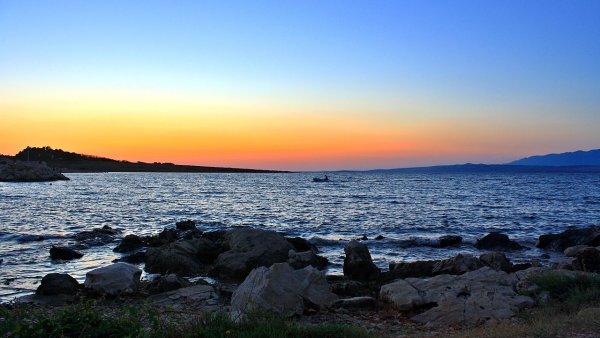
Portoferraio - a city that tells a story against the backdrop of the blue Tyrrhenian Sea
Bjorn Agerbeek Unsplash
5 September 2023 (03:20)

Portoferraio - a city that tells a story against the backdrop of the blue Tyrrhenian Sea

Portoferraio is a place where history intertwines with the climate of the island of Elba. The port city in Tuscany attracts not only lovers of historical sites, but also those who appreciate the authentic Mediterranean climate. With carefully preserved fortifications and traces of the Napoleonic era, Portoferraio offers a unique historical and cultural experience.

Where history meets the sea - the location of Portoferraio

Portoferraio, the capital of the island of Elba, is located in the Tuscany region, by the blue waters of the Tyrrhenian Sea. The city is situated on the hills surrounding a natural harbor, which is conducive to both defense and admiration of Mediterranean landscapes. Its location allows it to benefit from a tradition of shipping and trade, while maintaining its historic character. Portoferraio's strategic location makes it an important point on the map of the island and the region.

Weather Portoferraio:
Friday, 1 May Cloudless sky 19°C / 19°C
Saturday, 2 May Cloudless sky 18°C / 18°C
Sunday, 3 May Very cloudy 18°C / 18°C
Weather data provided by OpenWeather

A short journey through the centuries - the history of Portoferraio

Portoferraio's history dates back to ancient times, when the area was inhabited by Etruscans and later became a Greek colony called Fabricia. In 1548, Cosimo I Medici transformed the site into a fortified fortress, giving it the shape that remains today. The Napoleonic era added a new chapter to the city - Portoferraio became Napoleon Bonaparte's place of exile, among other things, and the emperor's reforms influenced the modernization of infrastructure. Over the centuries, the city functioned as both a strategic defensive point and a cultural center, as highlighted by numerous traces of military and administrative changes.

The Stunning Landscapes of Italy's Elba Island

Discover the picturesque landscapes of Italy's Elba Island, where the unique beauty captivates with every view. This is where the turquoise waters of the Adriatic meet lush green h...

Attractions on the island - highlights of Portoferraio

  • Palazzina dei Mulini - Napoleonic residence, which now houses the National Museum of Napoleonic Residences. It features cimelia, period furniture and impressive views of the harbor.
  • Villa San Martino - The summer residence of the emperor, located in the Procchio area. The interiors contain elements related to the Napoleonic period, including a statue of Galatea.
  • Forte Stella - A fortification erected in 1548, characterized by its star shape. On top of it are bastions giving a panoramic view of the harbor.
  • Forte Falcone - A complimentary defensive structure situated on a hill, forming with Forte Stella a fortification system that contributed to Portoferraio's reputation as the safest port.
  • Torre della Linguella with Archaeological Museum - A facility displaying monuments from the 8th century BC to the 5th century AD, with exhibits documenting the island's history.
  • Fortezza del Volterraio - The oldest fortification on Elba, a testament to ancient defense techniques.
  • SacredMonuments - A complex of churches, including the Propositura della Natività di Maria, Chiesa di San Crispino, Chiesa di Santo Stefano alle Trane, Cappella dell'Annunziata and Chiesa del Santissimo Sacramento. Each showcases different styles of the region's religious traditions.
  • Teatro dei Vigilanti - A cultural facility, housed in the former Carmine Church, where theatrical performances and concerts are held.
  • Spiaggia delle Ghiaie - A distinctive pebbly beach of white pebbles interspersed with black lines. A place valued by locals and tourists for swimming and recreation.
  • Imperial Gardens - The green surroundings of the residence, offering views of the azure waters of the sea and local Mediterranean vegetation.
  • Villa Romana Le Grotte - The ruins of a Roman villa that allow you to experience the daily life of the island's inhabitants in ancient times.
  • La Tonnina - A bar located at the marina, offering an authentic atmosphere and a view of the harbor.

Mediterranean climate - weather and seasonality

Portoferraio's climate is characterized by typical Mediterranean warmth. During the optimum months from May to September, temperatures oscillate between 22°C and 30°C, which is conducive to enjoying the beaches and strolling through the town's narrow streets.

The summer season (July and August) is characterized by an increased influx of tourists, which affects the intensity of traffic and prices of accommodation. In the off-season, walkers are offered a quieter environment for sightseeing and relaxation.

Portoferraio among the island pearls - the uniqueness of the place

Portoferraio's uniqueness stems from a harmonious combination of rich history, strategic location and cultural heritage. The city is a living example of the Renaissance fortifications and innovations of the Napoleonic era, as evidenced by its preserved defensive walls, residences and cultural institutions such as theaters and museums. The flag with the three golden bees and historical ties to the Polish Napoleonic troops underscore the international dimension of Portoferraio's heritage. The unique place attracts both history buffs and those seeking the authentic atmosphere of a Mediterranean island.

Travel guide - practical information

The easiest way to get here is by ferry from the town of Piombino - the trip takes about an hour, and the terminals offer facilities for families, including playgrounds. The town is worth navigating on foot, as the narrow streets and staircases allow for a thorough exploration of the historic corners, especially in the port area.

Travelers will also appreciate the city's well-marked roads and transportation system, making exploring Portoferraio's charms a pleasant and hassle-free experience.

Recently added
Free attractions in Dubrovnik: what you will see without tickets

Dubrovnik allows you to see many key sites without buying entrance tickets, as long as you stick to public spaces, selected sacred interiors and natural viewpoints. This is important especially in the first days of your stay, when you want to "catch" the layout of the city and feel the atmosphere of the Old Town without spending a lot. In practice, costs most often only appear with additional options, such as beach c...

Free attractions in Split: what to see without charge

Split allows you to visit intensively even if budget is a priority. The city offers a combination of free UNESCO-listed monuments, city squares and promenades, public beaches and green recreational areas. In practice, the biggest challenge is sometimes not the lack of attractions, but choosing the order and matching the plan to the crowds, weather and your own condition. Below you will find a tidy overview of free sp...

Vir: a guide to the island of red cliffs and tranquil beaches

Vir is an island located in the North Dalmatian region of Croatia, part of the Zadar archipelago. Connecting to the mainland via a 300-meter bridge built between 1974 and 1976, it has undergone a transformation from an isolated patch into a full-fledged tourist base. Picturesque beaches, unique rock formations and traditional Mediterranean architecture create a unique atmosphere here. The guide presents the most impo...

Christmas markets in Italy 2025/2026 - Christmas events guide

Every year Italian cities prepare magical spaces full of festive atmosphere, where Catholic tradition meets local heritage and modern attractions. During the winter holidays, many places offer the unique atmosphere of Italy - from the Alpine traditions of South Tyrol to the Mediterranean charm of Naples - making markets an important part of the cultural landscape of the cities. From the historic markets of Bolzano to...

Christmas markets in Croatia 2025/2026 - Christmas events guide

Every year Croatian cities prepare magical spaces full of festive atmosphere, where Catholic tradition meets Balkan color and modern attractions. During the winter holidays, in many places you can feel the unique atmosphere of the Adriatic intertwined with the holiday spirit, making the markets an important part of the cultural landscape of the cities. From the historic markets of Dalmatia to the modern squares of Za...

Popular
Bibinje - Roman traces, modern legends

Bibinje is a town with a rich historical heritage and a lively culture, located in the heart of the Zadar riviera. On the Adriatic Sea, just minutes from Zadar, it combines tradition with modernity. Residents cherish local customs, including the famous klapa tradition, which has been part of the region's identity for years.Bibinje - an interplay of history and coastline The village lies on the Dalmatian coast, not fa...

Saturnia - Tuscan relaxation, hot springs and ancient history

Saturnia is a small town in the heart of Tuscany, famous for its natural sulfurous thermal springs with a constant temperature of about 37.5°C. The place attracts tourists seeking relaxation as well as those interested in the history of the region. Its rich cultural heritage and unique attractions make Saturnia an attractive destination all year round. The combination of ancient traditions and the beneficial properti...

Piran: Venetian atmosphere, historic walls and Adriatic splendor

Piran is an extremely picturesque port city where history and culture mingle with the Mediterranean climate. Located on a narrow peninsula in a bay, it attracts tourists with its unique climate and numerous historical monuments. Clear traces of Venetian architecture and a wealth of legends make every visit here a trip back in time. Piran - where the Adriatic meets history The town of Piran is located on a peninsula i...

Mostar: history, attractions and heritage on the Neretva River

Mostar is a city with an extremely complex history, where Ottoman culture mixes with European traditions. Known primarily for its distinctive Old Bridge, the city attracts tourists thanks to its historic architecture and multi-layered past. Its pearl - the stone bridge - symbolizes both past glories and efforts at reconciliation after tragic events.By the turquoise Neretva River - Mostar's location Mostar is situated...

Mantua - the city of palaces, frescoes and secrets

Mantua is a place where history, art and nature intertwine into one cohesive story. Situated in southern Lombardy, the city is surrounded by three lakes, which gives it a unique character. Gonzaga's Renaissance heritage, numerous monuments and authentic culinary traditions make Mantua an attractive destination for culture and history lovers.Location - the pearl of Lombard lakes and the Renaissance Mantua, also known...

See also
Baška Voda - pearl of the Makarska Riviera

Baška Voda is a tourist destination located on the Croatian coast, which surprises with its picturesque surroundings and rich history. Thanks to its unique location at the foot of the Biokovo massif and its proximity to the clear waters of the Adriatic, the resort offers a wide range of attractions to suit a variety of tastes. The combination of traditional monuments and modern tourist infrastructure makes the destin...

Pakoštane - a pearl at the meeting point of the Adriatic Sea and Lake Vransko

Pakoštane is a charming village in Dalmatia, located on a unique spit between the Adriatic Sea and the largest Lake Vransko. The place combines a wealth of history, numerous sacred monuments and cultural traditions, which attracts tourists who value both relaxation and discovering the history of the region.The intimate resort, characterized by a favorable microclimate, is an excellent base for exploring the surroundi...

Procida - the authentic heart of the Gulf of Naples

Procida is a small island in the Gulf of Naples that combines a remarkable historical heritage with local traditions and a maritime atmosphere. The text takes a closer look at both its geographic location, rich history and attractions, as well as practical tips for travelers. An island in the heart of Campania - the location of Procida Procida is located in the Gulf of Naples, in the region of Campania. The small isl...

Agrigento: the historical pearl of southern Sicily

Agrigento is a city where antiquity meets modern lifestyle. Located on the southern coast of Sicily, it offers an extremely rich cultural heritage that has fascinated visitors for centuries. It is worth delving into its history to understand how different civilizations have shaped the place. The following guide takes a closer look at key aspects of Agrigento, from its geographical location and history to attractions...

Orebić - a guide to the Dalmatian town

Orebić is a place where nautical history blends with the picturesque landscapes of southern Dalmatia. Situated on the Pelješac peninsula, the town offers both historic buildings and charming beaches that invite long walks. The local seafaring tradition and numerous tourist attractions provide an unforgettable cultural and recreational experience. This guide takes a closer look at the most important aspects of Orebić,...

Jelsa - a guide to the historic town of the island of Hvar

Jelsa, located on the northern coast of the island of Hvar, delights lovers of history, culture and Mediterranean climate. A rich wine tradition and regional cuisine are an integral part of the local heritage, making Jelsa an interesting spot on the Dalmatian map. This guide will help you learn about the most important aspects of the place, from history to practical tips for travelers.Where the mountains meet the sea...

Stari grad: a guide to the oldest town on the island of Hvar

Stari Grad is one of the oldest cities in Europe, with a history dating back to ancient Greece. Located in a deep bay in the northwestern part of the island of Hvar, it combines historical heritage, building tradition and the function of a lively sailing port. It is a place where antiquity meets modern life, and the charm of cobblestone streets and stone monuments invites you to take longer walks. With its rich cultu...

Podgora - a guide to the heart of the Makarska Riviera

Podgora is a town located in central Dalmatia, on the Makarska Riviera, just a few kilometers from Makarska. Located between the azure Adriatic Sea and the massive Biokovo, it is an interesting example of the combination of Mediterranean tradition and the region's defensive history. The place attracts tourists not only with its attractions, but also with its authentic atmosphere, which encourages a closer look at its...

Sveti Stefan - exclusive pearl of the Montenegrin coast

Sveti Stefan is a place where historical traditions intertwine with modern luxury. A symbol of transformation and revitalization, the island attracts lovers of authentic Montenegrin climate and exclusive leisure. This guide presents both the rich history of the island, as well as the most important attractions and practical tips necessary when planning a visit. We invite you to read and discover the secrets of this u...

Plitvički Ljeskovac - discover the picturesque region of Plitvice lakes

Plitvički Ljeskovac is a small village, located right next to the famous Plitvice Lakes National Park, which is an excellent base for discovering the unique qualities of the region. The place combines elements of nature, history and culture, offering tourists the opportunity to experience both the unchanged landscape and traditions passed down from generation to generation. There are numerous attractions in the area,...

Tučepi - a unique place of the Dalmatian coast for a family stay

Tučepi is a village with centuries of history, where the ancient Illyrian area is combined with modern tourist infrastructure. Set at the foot of the Biokovo Mountains, it impresses with its picturesque landscape and unique cultural heritage. Here you will find sacred monuments, defensive fortifications and landscapes characteristic of the Mediterranean region. Learn about the location, history, attractions and pract...

Makarska - a charming city on the Adriatic Sea

Makarska is a city with a turbulent history, whose cultural heritage can be seen in both its architecture and street layout. Located in Dalmatia, on the shores of the Adriatic Sea, it combines the influences of various civilizations with modern tourist infrastructure. The place has come a long way from a Roman settlement to a key resort. Learn about the fascinating attractions, climate and practical information that...

Social Media
© AdriaBase 2021-2026